
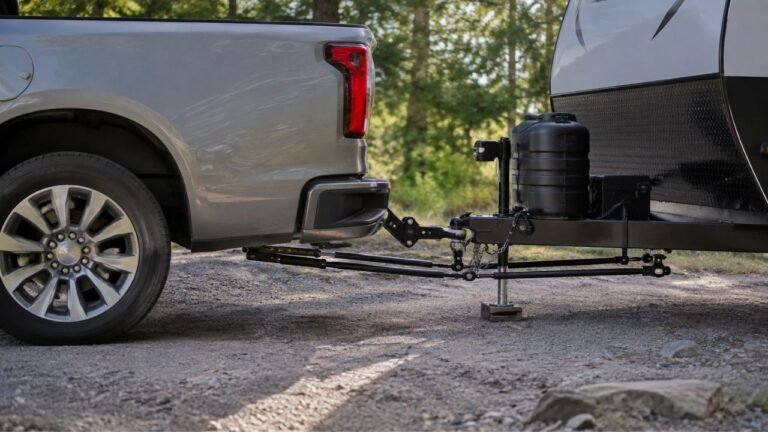
A weight distribution hitch is over-adjusted when it transfers more weight toward the tow vehicle’s front axle than the vehicle or hitch manufacturer recommends. One of the clearest warning signs is a...

Yes, you can usually back up with a weight distribution hitch connected. Many modern weight distribution hitches are designed for normal reversing and turning. However, separate friction sway-control...
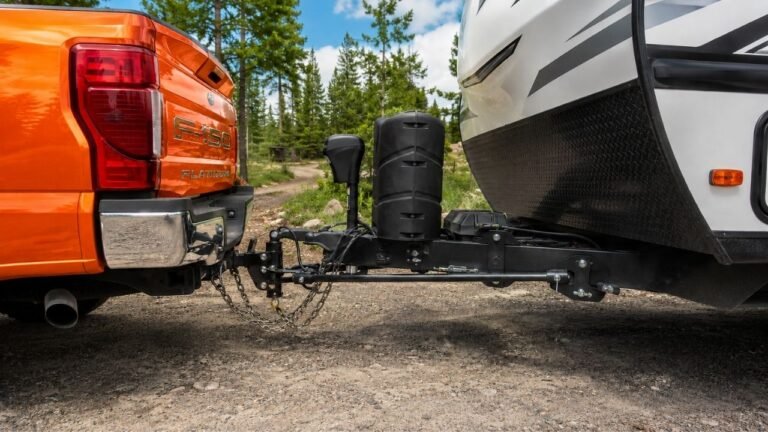
A weight distribution hitch often makes creaking, groaning, squeaking, or popping noises because heavily loaded metal parts move against each other. Friction-based sway-control hitches can be...
RV TPMS pressure readings change while driving because your tires heat up as they roll. Tire flex, road contact, speed, load, and outside temperature warm the air inside. As that air gets hotter, tire...
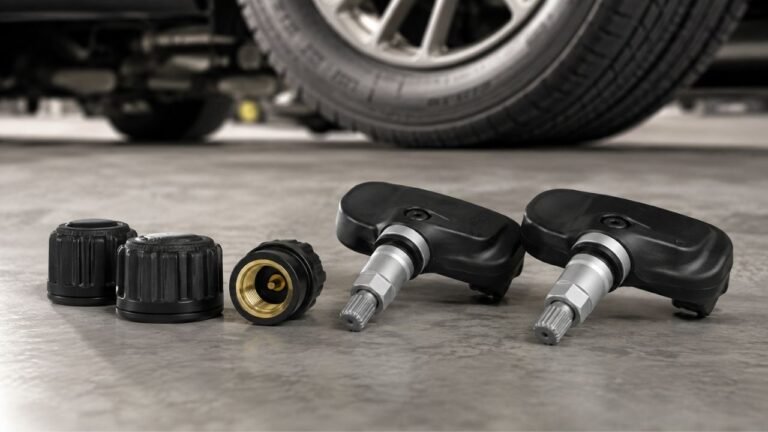
External RV TPMS sensors attach to the outside of the tire valve stem, while internal sensors sit inside the tire or wheel assembly. External sensors are easier to install, maintain, and move between...

For most adjustable RV TPMS systems, start with the correct cold tire pressure. A common starting point is setting the low-pressure alert about 10% below that pressure and the high-pressure alert...

Your RV TPMS may keep losing signal because of weak sensor batteries, long transmission distance, blocked radio signals, repeater problems, damaged sensors, or pairing issues. If only one tire...
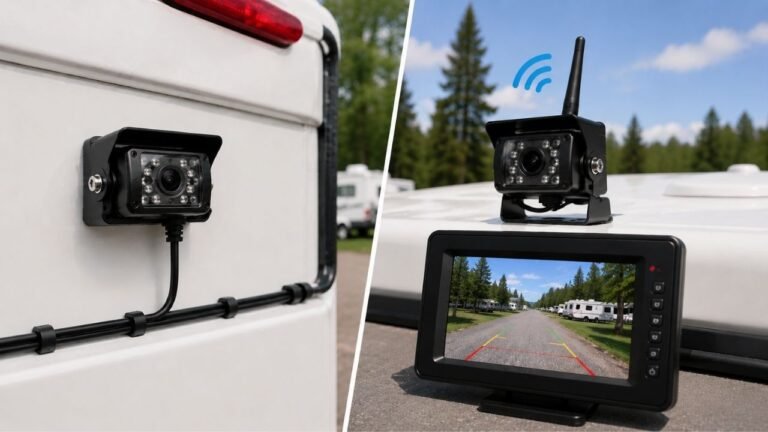
A wired RV backup camera usually provides the most stable video signal, while a wireless RV backup camera is easier to install. Wired systems avoid wireless interference and signal dropouts. Wireless...

An RV backup camera that keeps disconnecting usually has unstable power, a loose 7-way connection, weak wireless signal, antenna trouble, or lost pairing. Start by confirming the camera receives...