
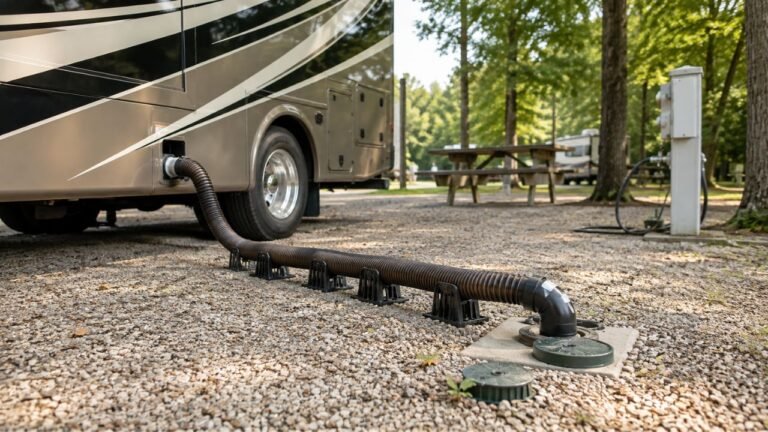
Yes, you can leave an RV sewer hose connected at a full-hookup campsite during your stay. The important part is keeping the black tank valve closed until you are ready to dump. You can also keep the...
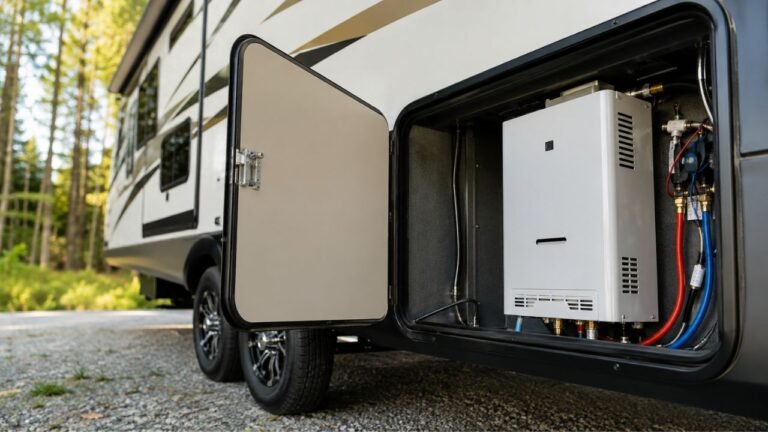
An RV tankless water heater usually uses less propane than a traditional tank water heater when both are heating the same amount of water with propane. Tankless models fire only when you need hot...
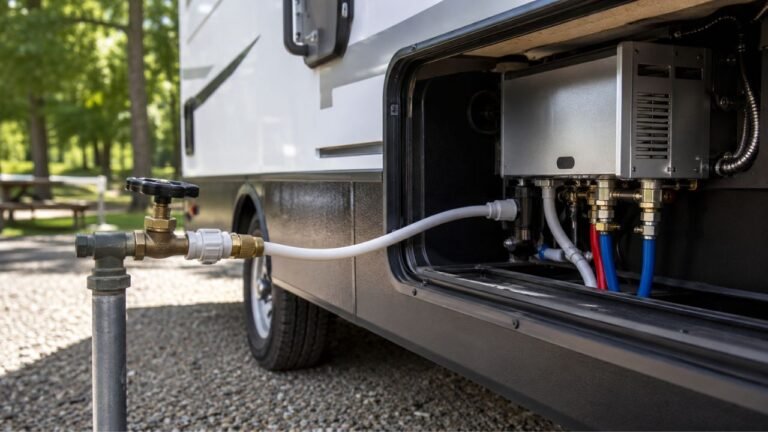
Yes, low water pressure can stop an RV tankless water heater. When pressure becomes too weak, water flow through the heater may fall below its minimum activation rate. The flow sensor then cannot...
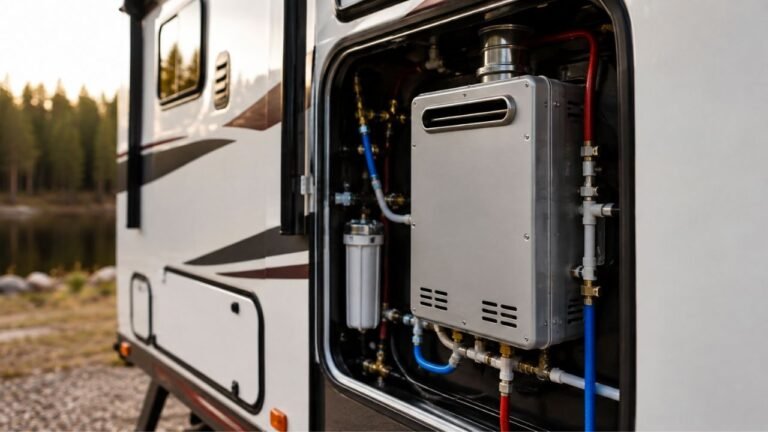
Your RV tankless water heater usually turns hot then cold because water flow through the heater is changing. Low flow, fluctuating pressure, cold-water mixing, clogged filters, pump cycling...
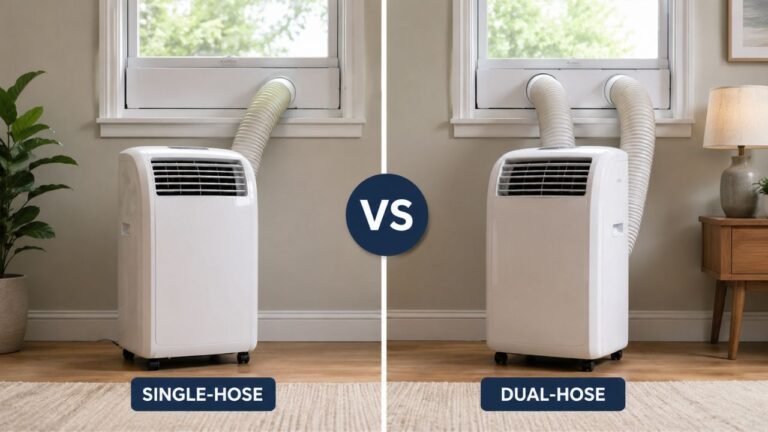
A single-hose portable AC uses one hose to push hot air outdoors. A dual-hose portable AC uses separate intake and exhaust air paths. This difference matters because single-hose units can create...
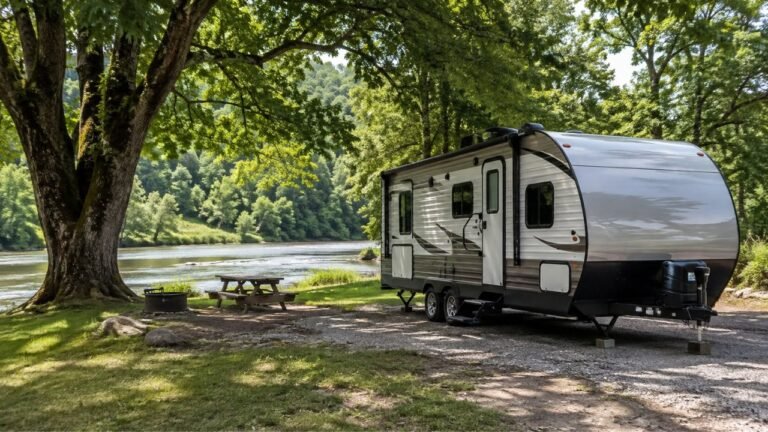
Yes, a portable air conditioner can cool an entire travel trailer if the trailer is small enough, the AC has sufficient cooling capacity, and heat gain stays manageable. In larger trailers, extreme...
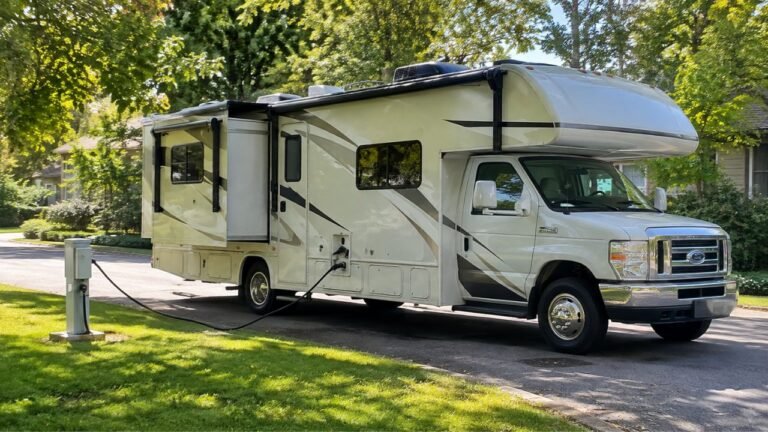
Your RV portable air conditioner usually trips the breaker because the circuit is carrying more electrical current than it can safely handle. Shared appliances, low campground voltage, compressor...
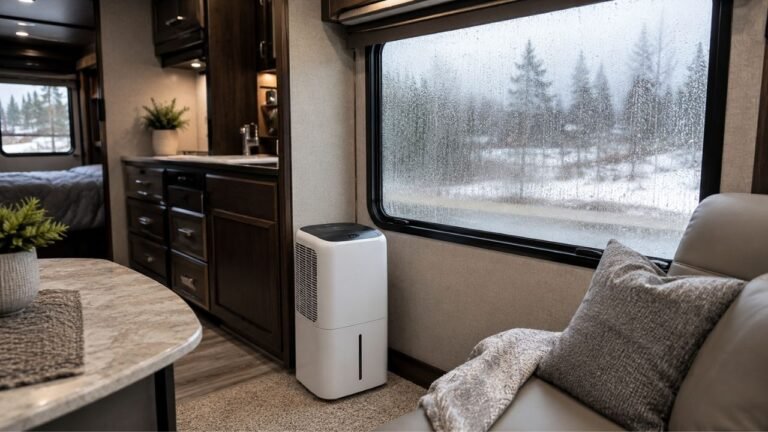
Yes, an RV dehumidifier can significantly reduce and often prevent window condensation. It removes moisture from the indoor air, lowers the dew point, and makes it harder for water droplets to form on...
A desiccant dehumidifier usually works better in a cold RV, while a compressor dehumidifier is generally better in warm, humid conditions. Desiccant models keep removing moisture at lower...